

Quick Answer
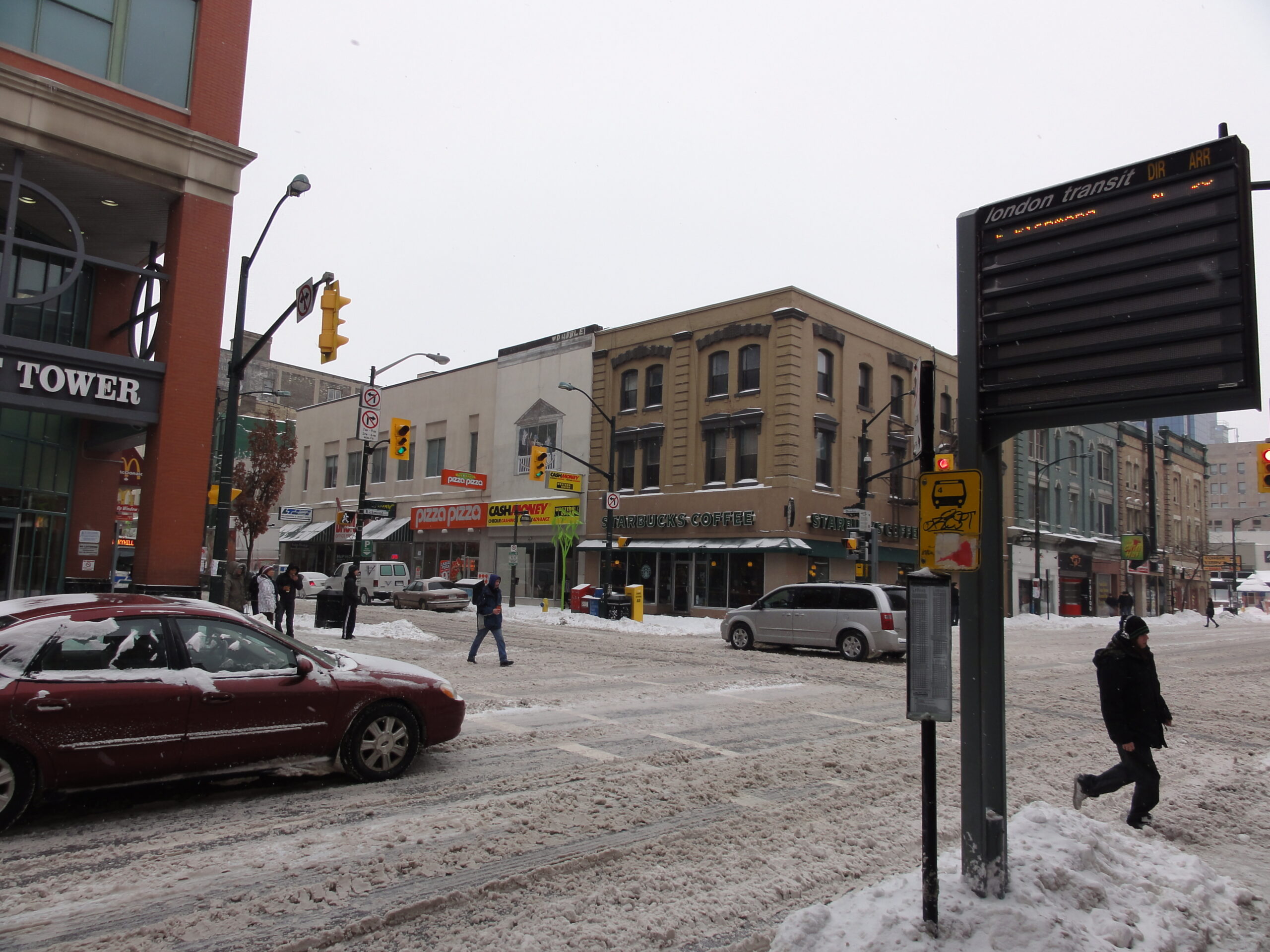
London’s most likely snow pattern for the next couple months is an up-and-down winter with several plowable snow events in January, followed by a February mix of snow, thaw, and refreeze days. If you want one clear takeaway: plan for the busiest snow period to be mid-January through mid-February.
TLDR Chart
| Time Period | Most Likely Snow Trend in London | What You’ll Notice Most |
|---|---|---|
| Dec 28 to Jan 5 | Light snow chances, some mild breaks | Slush days, refreeze risk at night |
| Jan 6 to Jan 19 | Higher chance of plowable snow | More steady snow periods, colder mornings |
| Jan 20 to Feb 9 | Peak “messy winter” window | Snowstorms or fast hitters, blowing snow at times |
| Feb 10 to Feb 29 | More temperature swings | Thaws, then hard freezes and icy sidewalks |
| Early March | Snow still possible, but less “routine” | Wet snow, rain-to-snow flips, melt-off weeks |
Why This Is the Most Likely Track
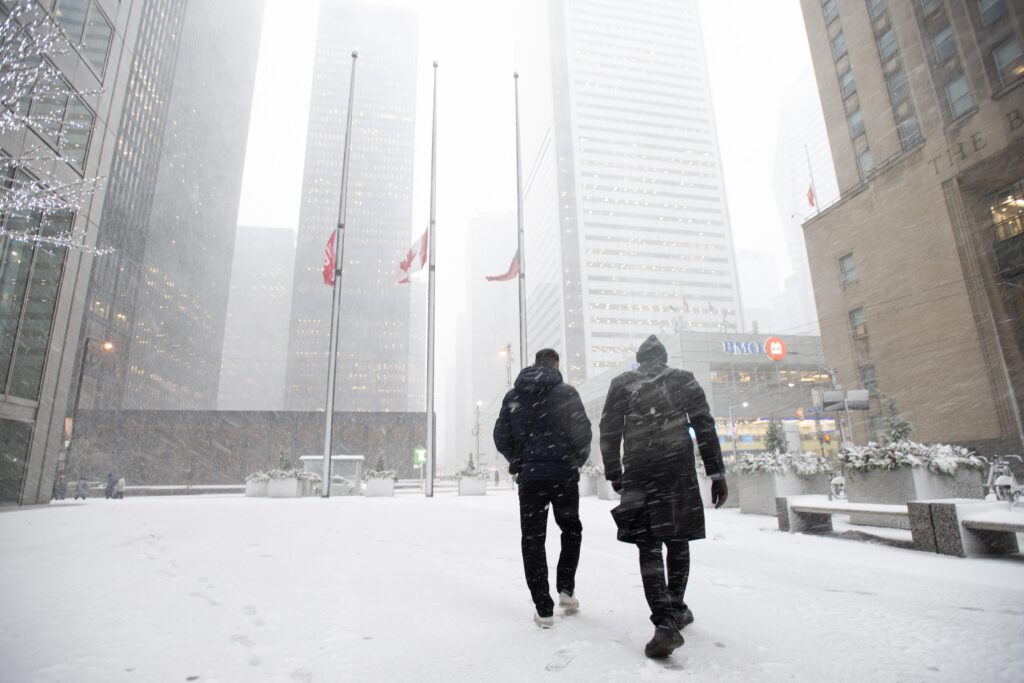
Seasonal winter outlooks for Canada point to an active storm track and plenty of moisture for much of the country, including Ontario. The same outlooks also warn about “temperature yo-yo” periods—meaning mild air pushes in, then cold air snaps back quickly. That combo is a big reason Southwestern Ontario winters can feel extra messy: snow, slush, thaw, refreeze, then another round.
At the same time, London’s normal winter pattern supports the idea that January and February are the main months where snow piles up and stays around more often than not. In plain terms, this is usually when the “real winter” shows up.
What London’s Normal Winter Tells Us
London typically has snow on the ground a lot during mid-winter, even if it melts off and returns. This matters because when a mild push hits, the snow pack often turns to slush, then refreezes into ice later. That’s why the next couple months are not just about snow totals—it’s also about ice risk and how often surfaces freeze overnight.

January 2026 Trajectory in London
January is the month most likely to bring your first “real” snow cycle—meaning multiple events close together and less time to fully melt in between. Expect a pattern where one system drops snow, then a milder day turns it heavy and wet, then temperatures drop again and everything locks into ice. That’s when driving and walking get worse even if snowfall is not extreme.
If you’re running snow removal or managing properties, this is the month to plan for more frequent calls and more repeat visits.
February 2026 Trajectory in London
February often becomes the “swing month.” Snow can still be heavy, but warm pushes can show up more often. The result is usually a mix of snow, melting, and refreezing. This is when people slip—because it looks fine in the afternoon, then turns into a skating rink at night.
This is also the month where salt and ice control becomes just as important as plowing.
The Three Most Likely Outcomes
- A busy mid-January run – Several plowable events in a 2–3 week span.
- A February thaw-refreeze cycle – Warm daytime highs, then icy nights.
- At least one “bigger” storm window – One storm (or back-to-back) that forces wider cleanup and slower travel.
What Homeowners Should Do Now
- Plan for mid-January to mid-February as the high-work period – This is when the most repeat snow removal tends to happen.
- Treat ice control as equal to plowing – Slush and refreeze causes more falls than fluffy snow.
- Don’t wait until the first big storm to prep – Shovel, salt, and markers should already be ready.
Quick Winter Prep Checklist for London
- Salt or ice melt at the doorways first – This is where most slips happen.
- Mark driveway edges and walkway corners – Helps avoid plow scraping and lawn damage.
- Keep a “refreeze plan” – If it melts in the day, expect ice by night.
- Make parking simple during storms – Plows work better when streets and driveways are clear.
Final Word
As of Dec 28, the most likely snow path for London, Ontario is a more active January and a messier February with thaw-and-freeze cycles. If you want one simple plan: treat mid-January through mid-February as the main window to stay ready for repeat snowfalls, heavier cleanup, and higher ice risk.